For many families, the question of where a child gets their education is a big one. While traditional public schools have been the default for generations, online private schools have really stepped up their game and offer some compelling advantages. They’re not just a temporary fix anymore; they’re a legitimate and often superior long-term educational path. If you’re weighing your options, understanding these benefits can help you make a more informed decision about what’s truly best for your child’s learning and overall well-being.
Tailored Learning Experiences and Flexibility
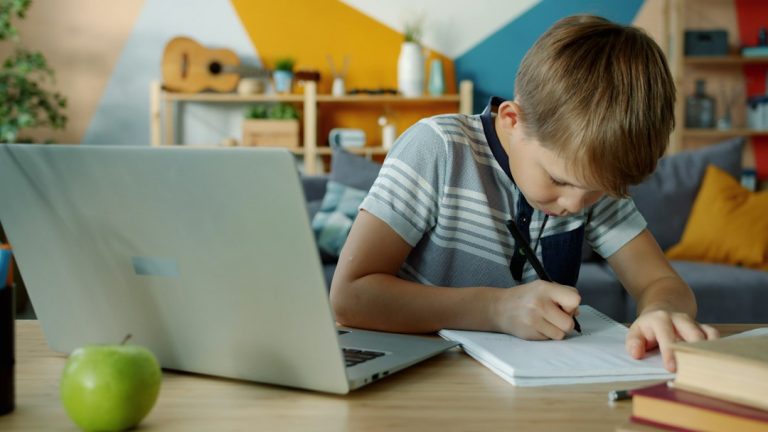
One of the biggest draws of online private schools is the incredible flexibility and personalized approach they can offer. Unlike the often one-size-fits-all model of public schools, online private institutions are built to adapt to individual student needs and family schedules. This isn’t just about convenience; it’s about optimizing the learning environment for each child.
Personalized Pace and Curriculum Adaptation
Public school classrooms, especially those with high student-to-teacher ratios, often struggle to accommodate students who learn at different speeds. Some kids might grasp concepts quickly and get bored waiting for others to catch up, while others might need more time and struggle to keep pace, leading to frustration and falling behind. Online private schools, however, are designed with individualized learning in mind. Students can often move through material at their own speed, spending extra time on challenging topics or accelerating through those they’ve mastered. This self-paced learning minimizes boredom and burnout, keeping students engaged and confident.
Furthermore, these schools often have the ability to adapt their curriculum to a greater extent than public schools. While public schools must adhere strictly to state-mandated standards and often have less leeway for specialization, online private schools can offer a wider array of specialized courses and even allow for some degree of curriculum customization. This means if your child has a particular interest – be it advanced coding, ancient languages, or creative writing – they’re more likely to find programs that cater to those passions, fostering deeper engagement and a love for learning. It’s about letting the curriculum fit the student, not the other way around.
Scheduling Freedom for Extracurriculars and Family Life
Life doesn’t always fit neatly into a 8 AM to 3 PM school day, especially for families with unique circumstances or students pursuing demanding extracurricular activities. Public schools, with their fixed schedules, can make it incredibly difficult to juggle competitive sports, arts programs, or even simply doctor’s appointments without missing crucial class time. This often puts students in the tough position of choosing between their education and their passions.
Online private schools completely change this dynamic. Their asynchronous or flexible synchronous schedules allow students to complete coursework when it best suits them. This means a student athlete can train in the morning, a budding musician can attend rehearsals in the afternoon, or a family can travel without interrupting their child’s education. This flexibility doesn’t just reduce stress; it allows students to fully commit to their interests and develop well-rounded skills, knowing their academic responsibilities can be managed around their other commitments. It also creates opportunities for unique family experiences, from extended travel to caregiving responsibilities, without academic penalties.
In recent years, the debate between online private schools and public schools has gained significant attention, particularly regarding the unique benefits that online private education offers. For instance, a related article discusses how online private schools provide personalized learning experiences, flexible schedules, and a tailored curriculum that can better meet the needs of individual students. This approach allows for a more focused and engaging educational experience, which can lead to improved academic outcomes. To explore these advantages further, you can read the article at Online Private School Benefits.
Enhanced Safety and Learning Environment
The physical environment of a school plays a huge role in a child’s ability to learn and thrive. For many, public schools, with their crowded campuses and diverse social dynamics, present challenges in terms of safety and fostering an optimal learning atmosphere. Online private schools offer a distinct advantage by creating a controlled and often more secure educational space.
Freedom from Bullying and Social Pressures
Bullying is a persistent issue in many traditional school settings, capable of causing significant emotional distress, academic decline, and long-term psychological impacts. Peer pressure, often intertwined with bullying, can also distract students from their studies, encouraging behaviors that are not conducive to learning or personal growth. Public schools, due to their large and diverse student populations, often struggle to monitor and mitigate these issues effectively across expansive campuses and numerous social groups. Despite dedicated efforts, incidents can still occur, leaving students feeling vulnerable and unsafe.
Online private schools, by their very nature, drastically reduce the opportunities for physical bullying. While cyberbullying can still be a concern, reputable online schools often implement robust digital safety protocols, monitoring tools, and clear codes of conduct to address online interactions proactively. Furthermore, the distance learning environment allows students to focus more intently on their academics without the constant social distractions and pressures of fitting in or navigating complex peer dynamics. This can be particularly beneficial for introverted students, those with social anxieties, or students who simply prefer a quieter, more focused learning environment, enabling them to concentrate on their studies without the added burden of social navigation.
Minimized Exposure to Health Risks
In an age where public health is a significant concern, especially regarding airborne illnesses, the physical proximity of hundreds or thousands of students in a traditional public school setting presents a tangible risk. Outbreaks of common illnesses like the flu, strep throat, or even more serious viruses can spread rapidly, leading to frequent student and staff absences, disruptions in learning, and increased anxiety for families. While public schools implement health protocols, the sheer density of their populations makes complete mitigation incredibly challenging.
Online private schools virtually eliminate the risks associated with communal spaces and close physical contact. Students learn from the safety and comfort of their own homes, significantly reducing their exposure to contagious diseases. This means fewer missed school days due to illness, more consistent learning, and peace of mind for parents regarding their child’s physical health. This aspect has become particularly salient in recent years, highlighting the resilience and safety advantage of online learning models in times of public health crises. It’s a proactive approach to student well-being that public schools simply cannot replicate due to their inherent structural design.
Access to Specialized Resources and Expertise
One often overlooked benefit of online private schools is their capacity to provide access to resources and expertise that might be unavailable in a local public school district. This can significantly enhance the quality and breadth of a student’s education.
Wider Course Selection and Advanced Placement Opportunities
Public schools, especially those in smaller or less affluent districts, are often limited by budget and staffing constraints in the variety of courses they can offer. A student with an interest in, say, advanced robotics, classical Latin, or a niche AP subject, might find their local public school simply doesn’t have the resources or the teachers to offer such programs. This can stifle a student’s intellectual curiosity and limit their preparation for specialized college programs.
Online private schools, by contrast, are not bound by geographical limitations. They can pool resources and expert teachers from across the country, or even internationally, to offer an incredibly diverse and deep curriculum. This means students can access a vast catalog of courses, including a multitude of Advanced Placement (AP) and International Baccalaureate (IB) options, specialized electives, and dual enrollment programs with colleges, regardless of where they live. This expanded access allows students to truly explore their interests, challenge themselves with rigorous coursework, and gain a competitive edge for college admissions, often earning college credit while still in high school.
Expert Teachers and Innovative Pedagogy
While public schools certainly have many dedicated and talented teachers, they often operate within larger, more bureaucratic systems that can limit innovative teaching methods and professional development opportunities. Teacher burnout due to large class sizes and administrative burdens is also a common issue.
Online private schools, especially those with a national or global reach, can often attract and retain highly qualified educators who are experts in their fields and passionate about online learning. These teachers are often specialists in particular subjects, holding advanced degrees, and are chosen not just for their subject matter expertise but also for their ability to engage students effectively in a virtual environment. They are typically trained in innovative digital pedagogy, using interactive tools, multimedia resources, and collaborative online platforms to make learning dynamic and engaging. Furthermore, online private schools often invest heavily in ongoing professional development for their faculty, ensuring they stay at the forefront of educational best practices and technological advancements, ultimately benefiting the students with a high-quality, up-to-date learning experience.
Parent Involvement and Transparency
Parental involvement is a cornerstone of student success, and online private schools often facilitate this more effectively than traditional public schools. The very structure of online learning inherently creates more avenues for parents to be informed and engaged in their child’s educational journey.
Enhanced Communication Channels and Progress Tracking
In many public school settings, parent-teacher communication can be challenging to maintain consistently, especially with large class sizes and limited teacher availability outside of scheduled conferences. Parents might only receive updates when there’s an issue or at predetermined intervals, leaving them feeling somewhat in the dark about their child’s day-to-day progress or struggles.
Online private schools, however, often integrate robust communication platforms and systems for real-time progress tracking directly into their educational model. Parents typically have secure access to online portals where they can view grades, attendance records, assignment completion, and teacher feedback with greater immediacy and detail. This transparency allows parents to stay continuously informed about their child’s academic standing and identify potential areas of concern much earlier. Furthermore, the digital nature of communication often leads to more frequent and less formal interactions with teachers, whether through email, messaging systems, or even virtual meetings, fostering a stronger partnership between home and school. This constant flow of information empowers parents to provide targeted support and celebrate successes more effectively.
Direct Oversight of the Learning Environment
When a child attends a traditional public school, parents largely relinquish control over the immediate learning environment once their child walks through the school doors. They have little direct insight into the daily classroom dynamics, the interactions with peers, or the specific instructional methods being employed hour by hour. This can sometimes lead to disconnects between home and school values or unrecognized issues.
With online private schooling, parents gain a significant level of direct oversight. While they are not expected to be the primary instructor, they are physically present in the home environment where learning takes place. This proximity allows them to observe their child’s engagement with the material, identify when they are struggling or excelling, and even overhear direct teacher-student interactions. This immediate awareness allows parents to provide on-the-spot support, ensure a conducive study space, and have real-time discussions with their child about their learning. It also means parents have a clearer understanding of the curriculum content and the pedagogical approaches being used, enabling them to align home support more closely with school objectives. This hands-on involvement fosters a deeper understanding of their child’s educational journey and strengthens the home-school connection in a truly unique way.
Many parents are increasingly considering the advantages of online private schools compared to traditional public schools, as they offer personalized learning experiences and flexible schedules. A related article discusses how these online institutions can cater to individual student needs, allowing for a more tailored educational approach. For more insights on this topic, you can read about the various benefits of online private education in this informative piece here. This shift in educational preference highlights the growing recognition of the importance of customized learning environments in fostering student success.
Global Perspective and Diverse Connections
| Benefit | Online Private School | Public School | Notes |
|---|---|---|---|
| Student-Teacher Ratio | 10:1 | 25:1 | Smaller classes allow for personalized attention |
| Curriculum Flexibility | Highly customizable to student needs | Standardized state curriculum | Private schools can tailor learning paths |
| Access to Advanced Courses | Wide range of AP and honors courses available | Limited availability depending on school | Online platforms can offer more specialized courses |
| Learning Environment | Controlled, distraction-free home setting | Varies; often larger, more crowded classrooms | Online learning reduces peer distractions |
| Schedule Flexibility | Students can learn at their own pace and time | Fixed school hours | Supports students with other commitments |
| Parental Involvement | Higher due to home-based learning | Varies; often less direct involvement | Parents can monitor progress closely |
| Technology Integration | State-of-the-art digital tools and platforms | Varies; often limited by budget | Private schools invest more in tech resources |
| Extracurricular Opportunities | Virtual clubs and activities tailored to interests | Physical clubs and sports available | Different formats but both offer enrichment |
| Safety | Learning from home reduces exposure to bullying and violence | Varies; incidents reported in some schools | Online environment can be safer physically |
While public schools generally serve a local community, online private schools can transcend geographical boundaries, offering students a unique opportunity to connect with a wider world and gain a more global perspective.
Connecting with a Diverse Peer Group
A common misconception is that online learning isolates students. In reality, online private schools can offer a much more geographically and culturally diverse peer group than a typical local public school. Students in a public school often interact primarily with others from their immediate neighborhood or town, which can limit their exposure to different backgrounds and viewpoints.
Online private schools, particularly those that are well-established, enroll students from all over the country and often from various international locations. This means that in virtual classrooms, collaborative projects, or online discussion forums, a student might be interacting with peers from different states, time zones, and even countries. This exposure fosters a broader understanding of cultures, perspectives, and global issues that is difficult to achieve in a localized public school setting. Learning alongside students with vastly different lived experiences enriches discussions, challenges assumptions, and prepares students for an increasingly interconnected world, developing their empathy and cross-cultural communication skills.
Access to International Curricula and Perspectives
Public school curricula are typically designed to meet state and national standards, which, while important, can sometimes be narrowly focused on domestic issues and history. While some public schools offer world history or foreign language courses, the depth and breadth of international perspectives can be limited by resources and curriculum guidelines.
Online private schools, especially those with an international focus or accreditation, often incorporate global themes and diverse perspectives directly into their core curriculum. They might offer a wider range of foreign languages, delve deeper into international current events, or use materials that present multiple cultural viewpoints on historical events or scientific developments. Some even offer specific international curricula like the British A-Levels or the International Baccalaureate (IB) program, which are renowned for their global approach. This broader curriculum equips students with a more nuanced understanding of global complexities, prepares them for international higher education opportunities, and cultivates a mindset of global citizenship. It moves beyond a purely domestic lens to provide a truly worldwide educational outlook.
Resilience and Adaptability in Education
The past few years have highlighted the critical importance of educational systems being resilient and adaptable in the face of unforeseen challenges. Online private schools inherently possess these qualities, offering a robust and stable learning environment regardless of external circumstances.
Uninterrupted Learning in Any Circumstance
Traditional public schools are highly susceptible to disruptions from various factors. Weather closures (snow days, hurricanes, floods), public health crises (pandemics), teacher strikes, or even localized emergencies can lead to significant periods of missed school days and interrupted learning. These disruptions not only delay curriculum progression but can also cause considerable stress for students and parents trying to manage unexpected schedule changes.
Online private schools, by their very design, are built for continuity. Since learning occurs remotely, they are largely impervious to the geographical and physical constraints that affect brick-and-mortar institutions. A severe snowstorm, a widespread illness, or a local utility outage has minimal to no impact on the ability of students to access their coursework and engage with their teachers. This inherent resilience ensures that students experience consistent, uninterrupted learning, maintaining their academic momentum and minimizing stress associated with unpredictable school closures. It offers a stability in education that is increasingly valuable in an unpredictable world.
Developing Digital Literacy and Self-Discipline
While public schools are increasingly integrating technology, the depth and breadth of digital literacy developed in a fully online learning environment often surpass what’s available in a traditional setting. Furthermore, the nature of online learning naturally fosters essential life skills like self-discipline and independent learning.
Students in online private schools become proficient users of various digital tools and platforms, including learning management systems, video conferencing software, collaborative online documents, and research databases. They learn to navigate digital spaces effectively, manage digital files, and communicate professionally in an online context – skills that are absolutely crucial for success in higher education and the modern workforce. Beyond technical skills, the structure of online learning requires students to take greater ownership of their education. They must manage their time, set their own learning pace, stay organized with assignments, and proactively seek help when needed. This cultivates a strong sense of self-discipline, responsibility, and independent problem-solving, preparing them not just for academic success but for lifelong learning and professional autonomy. These are invaluable soft skills that are deeply embedded in the online private school experience.
Financial and Resource Efficiency (Often Overlooked)
While often perceived as more expensive, online private schools can, in certain circumstances, offer significant financial and resource efficiencies that are worth considering, especially when looking at the holistic picture of education costs and value.
Reduced Ancillary Costs and Time Savings
When considering public school, families often focus solely on the “free” tuition. However, the total cost can quickly add up with various ancillary expenses. These include daily transportation costs (gas, bus passes), school supplies that often exceed basic requirements, mandatory activity fees, costs associated with school fundraisers, clothes that meet specific dress codes, and expenses for school events or field trips. Furthermore, the rigid public school schedule often necessitates before- and after-school care for younger students, adding another substantial expense.
Online private schools, while having tuition, often significantly reduce or eliminate many of these hidden costs. There are no daily commutes, reducing fuel consumption and vehicle wear. While technology is needed, many schools provide access to digital textbooks and resources, cutting down on physical book purchases. The flexibility in scheduling can eliminate the need for costly external childcare, as parents or guardians can often supervise learning more directly. The ability to learn from home also allows for more economical meal planning and reduces pressure for specific wardrobes. Beyond direct financial savings, the time saved from daily commutes, school drop-offs/pick-ups, and managing complex school schedules can be invaluable, allowing parents to dedicate that time to work, family, or personal well-being, which has its own economic and emotional benefits.
Optimized Resource Allocation and Value Proposition
Public schools operate within a complex bureaucratic framework, with significant portions of their budgets often allocated to maintaining large physical infrastructures, administrative overhead for numerous campuses, and a broad range of programs that may not directly benefit every student. This can sometimes lead to resources being spread thinly or allocated in ways that don’t always align with individual student needs.
Online private schools, by contrast, often have a more streamlined operational model. Without the need to maintain extensive physical facilities for daily student attendance, a larger proportion of tuition revenue can be directed towards core educational components: attracting and retaining highly qualified teachers, developing cutting-edge digital curricula, investing in advanced learning technologies, and providing robust student support services. This optimized resource allocation means that families are often paying for a more concentrated, high-quality educational delivery, directly aimed at the student’s learning experience, rather than a significant portion going towards maintaining physical buildings and their associated utility and maintenance costs. When evaluating the total value, considering the quality of instruction, personalized attention, specialized resources, and flexibility, the investment in an online private school can often yield a higher return on educational value for many families.
FAQs
What are the main advantages of online private schools compared to public schools?
Online private schools often provide a more personalized learning experience, allowing students to learn at their own pace. They typically offer smaller class sizes, which can lead to more individualized attention from teachers. Additionally, online private schools may have more flexibility in their curriculum, enabling them to incorporate innovative teaching methods and specialized programs that cater to diverse learning styles.
How do online private schools handle socialization for students?
Many online private schools facilitate socialization through organized extracurricular activities, virtual clubs, and in-person meetups. These opportunities allow students to interact with peers, develop friendships, and engage in collaborative projects, ensuring they have a well-rounded social experience despite the online format.
Are online private schools accredited?
Yes, many online private schools are accredited by recognized accrediting bodies. Accreditation ensures that the school meets specific educational standards and provides quality education. Parents should verify the accreditation status of any online private school they are considering to ensure it meets their educational requirements.
What is the cost difference between online private schools and public schools?
Online private schools typically charge tuition, which can vary widely depending on the institution. In contrast, public schools are funded by taxpayer dollars and do not charge tuition. However, some online private schools may offer scholarships or financial aid options to help offset costs, making them more accessible to families.
How do online private schools support students with special needs?
Online private schools often provide tailored support for students with special needs, including individualized education plans (IEPs) and specialized resources. Many have trained staff who can address various learning challenges and offer accommodations to ensure that all students receive the support they need to succeed academically.
About the Author